


Meeting a fellow traveller
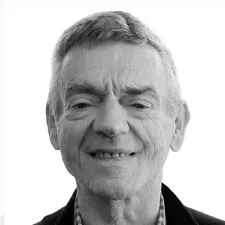
David Menadue was diagnosed with HIV in 1984 and has experienced a number of AIDS defining illnesses. He has been involved with HIV activism and policy advocacy since the late 1980s being involved in governance roles with NAPWHA, AFAO and Living Positive Victoria for many years. He is the author of an autobiography “Positive” published by Allen and Unwin in 2003 and was awarded an Order of Australia Medal in 1995 for services to community health.

Greg Kelly takes a seat at Parliament House in Adelaide on HIV Long-Term Survivors Day
Like it or not, even though advances in HIV treatments have lessened the fear of transmission, HIV still carries considerable stigma. The gay community has adopted PREP and PEP and generally understand what an undetectable viral load means in terms of their own safety. The general community has benefitted from social media campaigns that have reduced the fear once associated with the virus and those affected. But it’s not all plain sailing for those of us prepared to be upfront about our status, particularly when that might involve the press or social media.
Supportive family
In our recent catch-up, Greg and I both acknowledged our supportive family and friends as a key factor in giving us confidence to tell our stories publicly. “To know that my sexuality was accepted early on by my mother in particular—and then my HIV status as well—was a blessing I am very grateful for.
“My mum and dad had a good understanding of my community even before I was HIV positive, so they were very supportive and understanding from the beginning. That gave me great confidence to be myself, as I have seen many of my positive peers hide those details in their lives for fear of rejection.”
There are over 1200 people living with HIV in South Australia and Greg says there are only a small number who are currently prepared to be open about their status and take part in any advocacy campaigns. He gives special credit to Kath Leane who has been a spokesperson for Positive Life SA for many years and is largely responsible for getting the organisation off the ground. Greg has been very involved with their Positive Ageing group which recently produced a video on aged care which will be available soon.
Sustainable style
“I like being a part of a larger community where we are all looking out for each other’s welfare,” says Greg. “Some members might need extra support, as do some HIV positive people and others like trans people who may need counselling or peer groups to help them with their direction in life. I’ve learnt the value of being a part of a group whatever its make-up. For instance, I really enjoy attending a regular sewing group called Sustainable Style run by SAMESH, our local sexual health provider, which teaches us to make garments using recycled materials. We decided to do a Fashion Parade last November wearing some of the outfits. We called it ‘Blooming Fabulous’ and set up a catwalk in Adelaide’s Botanic Gardens. It was a lot of fun. We also made three quilts in honour of HIV+ people who have died, and we presented these at our Candlelight Memorial recently. ”
The Challenging Early Years
There is a lot more to Greg’s story. He’d been a chef at major restaurants in Victoria in the 1980s—Maietta’s in Queenscliff and the Botanical Hotel in South Yarra—before moving to Byron Bay and setting up a restaurant called Sugi’s. He was diagnosed there and started treatments. Positive people diagnosed today would be shocked to know the extent of the side-effects for the antivirals then. Greg mentions names that I remember only too well: Lamivudine (3TC), Stavudine (D4T), and the protease inhibitors Ritonavir and Saquinavir were the early ones. Side-effects of those proteases included diarrhoea and nausea and issues like peripheral neuropathy and muscle wasting for the other two. But ultimately these drugs weren’t effective enough to make patients feel much better and Greg says, it would be a day-to-day challenge to see if he was up to his job as a chef. While treatments improved a little and he was able to start another restaurant at The Hotel Winsome in Lismore (where he donated his salary to help the local HIV fund) he eventually decided to call it quits and moved to a quieter life in South Australia.
“My life until then had been a bit uncertain given the insecurity HIV introduces into your life. I was told in the early nineties that I might have six months to live and then cracked open a bottle of champagne when that milestone arrived.
“You were kept wondering about every new hiccup to your health, every recent T-cell count and doctor’s visit, whether there was any future in front of you. I lost over a hundred friends from HIV illnesses, and I tried to keep tabs on their names in a book kept at the ACON Northern Rivers office, so they would not be forgotten by me, at least. Unfortunately, the office got flooded during the catastrophic floods in Lismore in 2022 and the book was destroyed.
“I think it’s important that people’s efforts to support those with HIV are recognised, so I put my energy into helping organise an HIV Long Term Survivors Day at Parliament House in Adelaide in June where volunteers who have contributed to our wellbeing were acknowledged for their service.
“I had my own contribution acknowledged recently at the Pride Awards here where I was given the Volunteer of the Year Award which was a wonderful surprise.”
Final thoughts
“The one thing I would say to a newly diagnosed person today is that the medication that you are taking that hopefully has little to no side-effects is the outcome of about 100 million people, who took experimental drugs not that many years ago and put up with hideous side effects. 45 million lost their lives to HIV illnesses as well as countless millions of animals that were experimented on. The culmination of scientific knowledge gathered is the reason you can take one pill a day and live.
“Life is short, way too short for many. My motivation about life is based upon my experience. I lived through what seemed like a war, lost over 100 friends, many who left the planet with huge regrets. When it comes to my turn I don’t want to have any.
I’ve done my best with the skills I have been given and give thanks for knowing some amazing people who have been incredibly generous and supportive.”
If you’d like to learn more about Greg’s story, you can read his book, “Start with your Own Onion” in which he includes over 100 recipes from his chef days with comments about his life at the time. The book is available on the website of Queensland Positive People (qpp.org.au)
Related posts

Farewell, my friend
We were an item in the early eighties before we were even aware that HIV was circulating among us although we’d heard reports about this mysterious virus, initially called GRID (Gay Related Immune Deficiency) coming from the USA. When the HIV test became available in November 1984 we both made a quick dash to the […]

Heterosexual men living with HIV in Australia
The only thing worse than being talked about is not being talked about.
AIDS2026: Is HIV remission the new cure?
AIDS2026 offered a glimpse into the “just around the corner” future of HIV treatment and care.
