


The philosophy of illness

Charlie, also known as Michael, has been living with HIV since 1989. He’s managed to maintain a stable immune system despite early toxic treatments that caused lipoatrophy and neuropathy. These experiences have left a lasting mental impact on him.
Additionally, Charlie lives with Ledderhose Disease, a painful condition affecting his feet. This limits his mobility and necessitates the use of a scooter. This disease, while not HIV-related, is exacerbated by chronic inflammation and is worsened by his other conditions.
Professionally, Charlie is a Registered Nurse and dedicated his career to mental health and AOD nursing, working in various settings including community care, inpatient facilities, detox/rehab centers, opiate clinics, and as an AOD counselor.
Outside of nursing, he’s contributed to the HIV sector over the years through program design, client care positions and volunteering.
The Philosophy of Illness was the theme for the most recent Bolder Online. This relatively new program caters to people living with HIV over 50. Our guest was Judith Gorst, who has worked as a Registered Nurse and Therapist in the HIV/Hep C field for over 30 years.
Judith drew on the work of Havi Carel, a British philosopher living with a life-limiting illness. She asserts that illness raises philosophical issues for us all, as it can “interrupt our plans, force us to confront our mortality, and challenge our sense of who we are, including the meaning we assign to our lives.”
Watch Judith’s presentation on YouTube. View details on upcoming Bolder Online meetings.
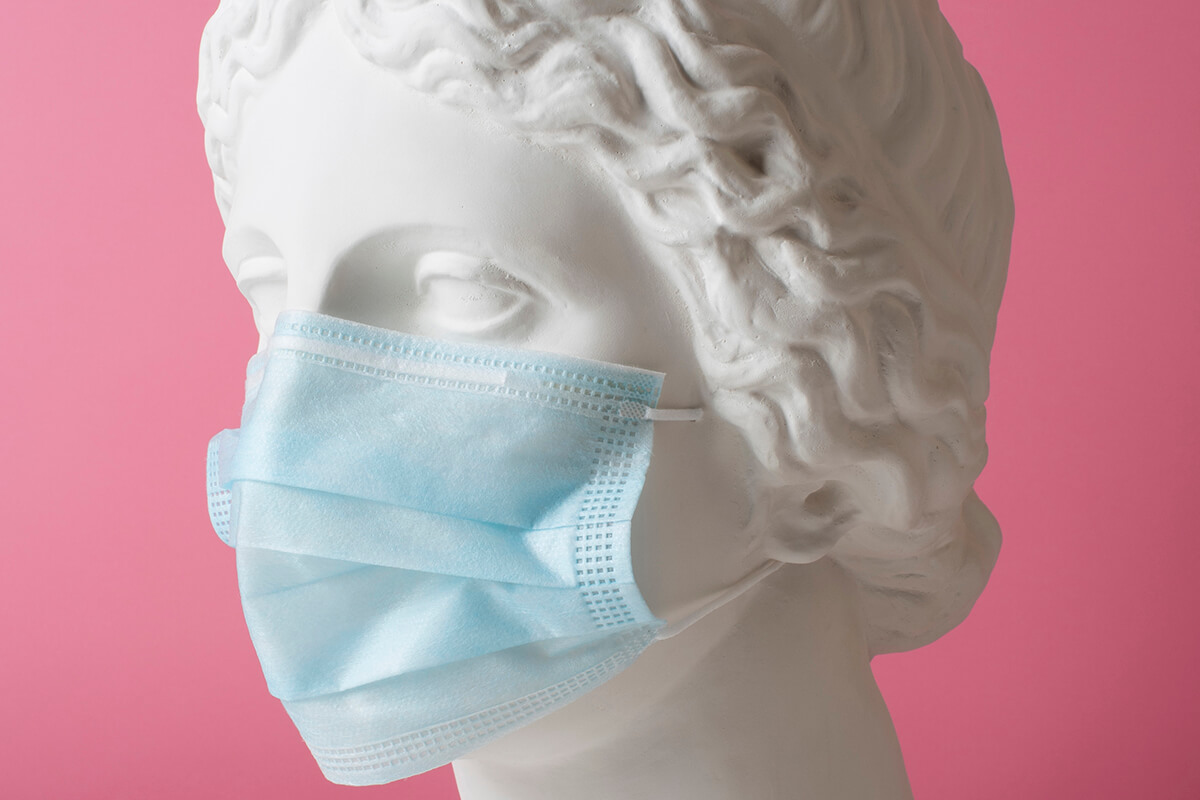
Ill health is something we all experience, whether our own or that of loved ones, family, friends, and community. Quite literally, no one gets out alive, but ill health can also provide clarification and help focus on what’s important in one’s life.
Some of the philosophical approaches to living that we heard about were:
- Stoicism: focusing on what we can control and accepting what we cannot
- Existentialism: recognising that we all have free will and can make deliberate choices and create meaning in adversity
- Mindfulness: living in the present moment rather than allowing one’s mind to race down different pathways
Judith touched on the historical context of living long-term with HIV and our experience of being diagnosed in those early years. She acknowledged the historical complexities we share and experienced, those of “fear, shame, anger, blame and the gross stigma and unpredictable nature of the disease.” For some, these issues threw us back into a closet we’d fought so hard to remove from our lives. It’s important to acknowledge the cultural context as well, which involves the historical nature of HIV diagnosis, gender, sexuality, coming out, and socio-economic factors.
Some of the broader ideas and reflections involved thinking about how illness changes the view of the self – ‘how am I changed’; and whether there can be ‘wellbeing in illness.’ These are such great questions, as death is more commonly thought and talked about than the idea of living positively with illness.
“Illness is a vulnerability, and this has both good and bad aspects to it, depending on how you view it.” (Group member)
As Havi Carel goes on to say: “What all of these studies are telling us is that in fact suffering from ill health or some sort of physical limitation doesn’t make people less happy or doesn’t reduce people’s wellbeing in any way.” The idea is that illness is a part of me, not the whole of me. Therefore, ill health and happiness are not incompatible.
Another way of thinking about the relationship between our Body-Illness and Body-Mind is to see it from a biologically natural process; something that occurs in the body, dysfunction of a body part or system versus a more nuanced experience that captures many of the social, emotional, and psychological dimensions of illness that are so important to people.
Part of my ‘ill-health’ story involves my feet. I live with a rare disorder which has untreatable tumour-like masses on my soles. This, mixed with lipoatrophy and neuropathy from the early, more toxic medications, has me living with chronic pain and significant mobility restrictions. I use a scooter to get in and out of town, and another that can be taken apart, which allows me a degree of freedom to access travel, galleries, and public transport. But how do I adapt to a visual outrage of the changed appearance of my feet, that which is significantly disfiguring, painful & disabling? Having a philosophical underpinning to this experience allows me to be a little more distant and observational. It gives me the space to breathe, and as Judith said, “Illness can simplify life and be a force for recreation of the meaningful.”
I feel the need to add here that we also experience grief and loss when ill health knocks at our door. It takes time to come to terms with the changes that in turn change the person we were. But I think having a splash of one’s own philosophical makeup can provide protective guardrails that assist in understanding what’s occurring from a more observational perspective. To be able to do this also requires a degree of stability in other areas of our lives. One needs time and space to think about all of this.
“We each develop our own sense of identity through the struggle of living with a chronic condition; taking risks is all part of still being ‘here.” (Group member)
In closing, Judith touched on the Family of Origin; how illness was managed in your family, how unwell members were regarded. What were the cultural dynamics, how was sex and sexuality discussed – or not? What were some of the unconscious, unspoken stories, or unwritten rules? These things influence how we approach ourselves in ill health. But, also, more broadly, who is there for us? Again, family, friends, health care providers who allow us to feel heard and take time to care.
To again quote Havi Carel: “Delineate a place in the present where you are not plagued by regrets about the past and anxieties about the future – you can be happy in that place.”
I think also the role of acceptance and adaptation is important; the physical changes are finite, whilst acceptance and adaptation are infinite. And always remember: ‘Knowledge of your illness = power’.
Related posts

Farewell, my friend
We were an item in the early eighties before we were even aware that HIV was circulating among us although we’d heard reports about this mysterious virus, initially called GRID (Gay Related Immune Deficiency) coming from the USA. When the HIV test became available in November 1984 we both made a quick dash to the […]

Heterosexual men living with HIV in Australia
The only thing worse than being talked about is not being talked about.
AIDS2026: Is HIV remission the new cure?
AIDS2026 offered a glimpse into the “just around the corner” future of HIV treatment and care.
