


Love and other forms of resilience
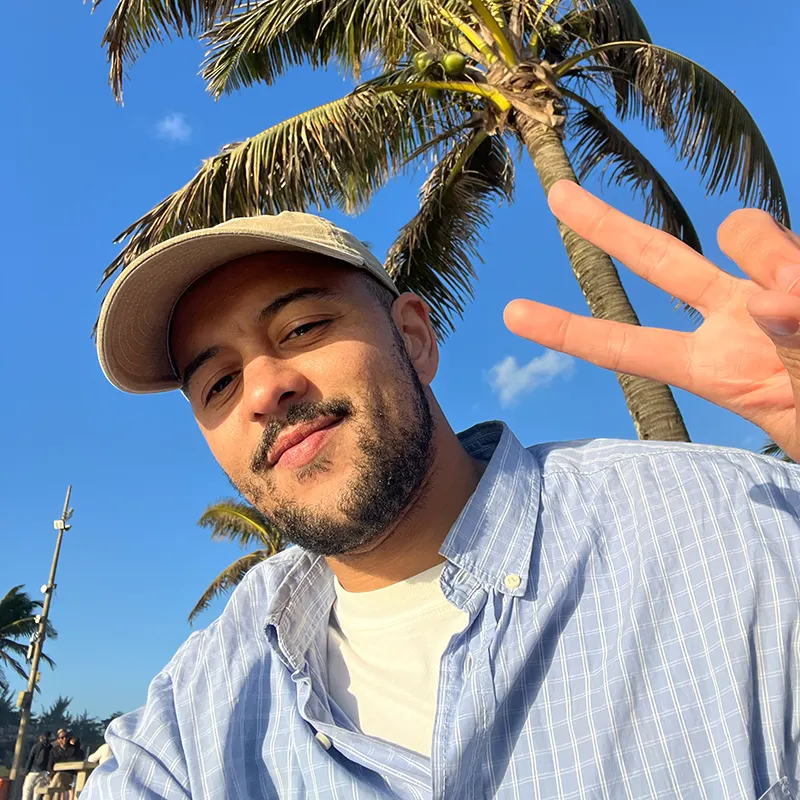
Tsari Paxton is the son of HIV activist, academic and artist Susan Paxton. He grew up in Melbourne surrounded by communities shaped by care and creativity, experiences that continue to inform his writing and relationships. Tsari now lives and works in London.
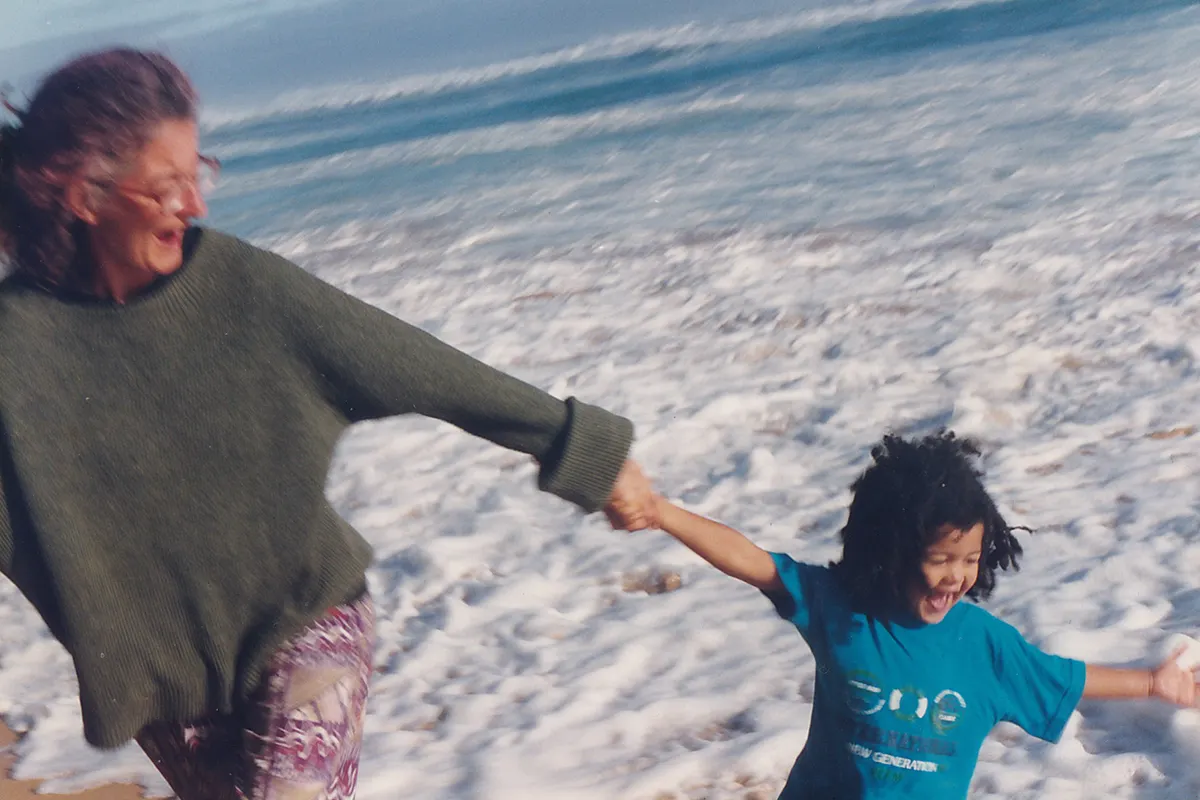
My mother, the inimitable Susan Paxton, then sat me down and talked me through what HIV was and what it meant that she was positive. From that point on, Mum and I were always a team and never kept secrets from one another. I was mostly unfazed about the whole ‘positive’ thing, it was just a fact of life.
I greatly enjoyed the colourful positive community of gays, families and loveable weirdos who frequented places like Rosehaven, a Catholic-funded drop-in centre; Camp Seaside, a weekend getaway for families affected by HIV; and the Positive Living Centre in St Kilda (now Thorne Harbour Health in Prahan).
So accustomed was I to the HIV scene that one time at a black-tie event decorated with white balloons I loudly cried, ‘Mum, isn’t it beautiful – look at all the condoms!’
As a single mother left alone to raise a young child while discovering her status in the early 90s, and to deal with the stigma de jour, I am perpetually in awe of how my mother was able to put my needs first. Despite the inner turmoil she was going through, she somehow managed to make my childhood a happy one and our home a vibrant space that nurtured my creativity, education, and healthy collection of Barbie dolls.
There were scary times, like when Mum’s T-cells dropped in the late 90s, or when some positive family friends had their house vandalised with hate speech spraypainted across their walls. Conversely, Mum going public about her status led to some triumphant memories that I hold as sources of inspiration. Her running with the Sydney Olympic torch on behalf of people living with HIV; or the trailblazing, fearless activist she became, once at a conference tipping a takeaway curry over protestors who were denying that HIV causes AIDS.
When Mum got really sick, I was around 10 years old. I know that I could feel my Mum slipping away – I remember once remarking, ‘Mum, you’re always so tired’.
It was decided that we would relocate from Melbourne to the Byron Bay area, where I would live with my goddess-mother Marlena and Mum would stay in a nearby cottage to finish her PhD and focus on her health. Metaphorically nestled in the bosom of my beloved goddess-mother, in that period I gravely developed some philosophical resolve. Even if the very worst was to happen and I was to lose Mum, I realised I wouldn’t be alone. I would somehow be okay, and somehow life would go on. Miraculously, this was not the way our story would go. Mum started taking antiretrovirals six months later, responded well, and immediately began to recover.
As I entered adulthood, Mum began to open up about the traumatic toll of surviving a plague. Lots of her work was with positive communities in developing countries, which means she has lost over 100 close friends and colleagues. There is a sorrow that runs through her at times, and as she shared more, I learnt to recognise her moods and did my best to cheer her up when I could. Even as an adult, she has tried to shield me from the weight of her emotions, but at the times when it all felt too heavy, I turned to some of the brilliant women in our lives, our chosen family.
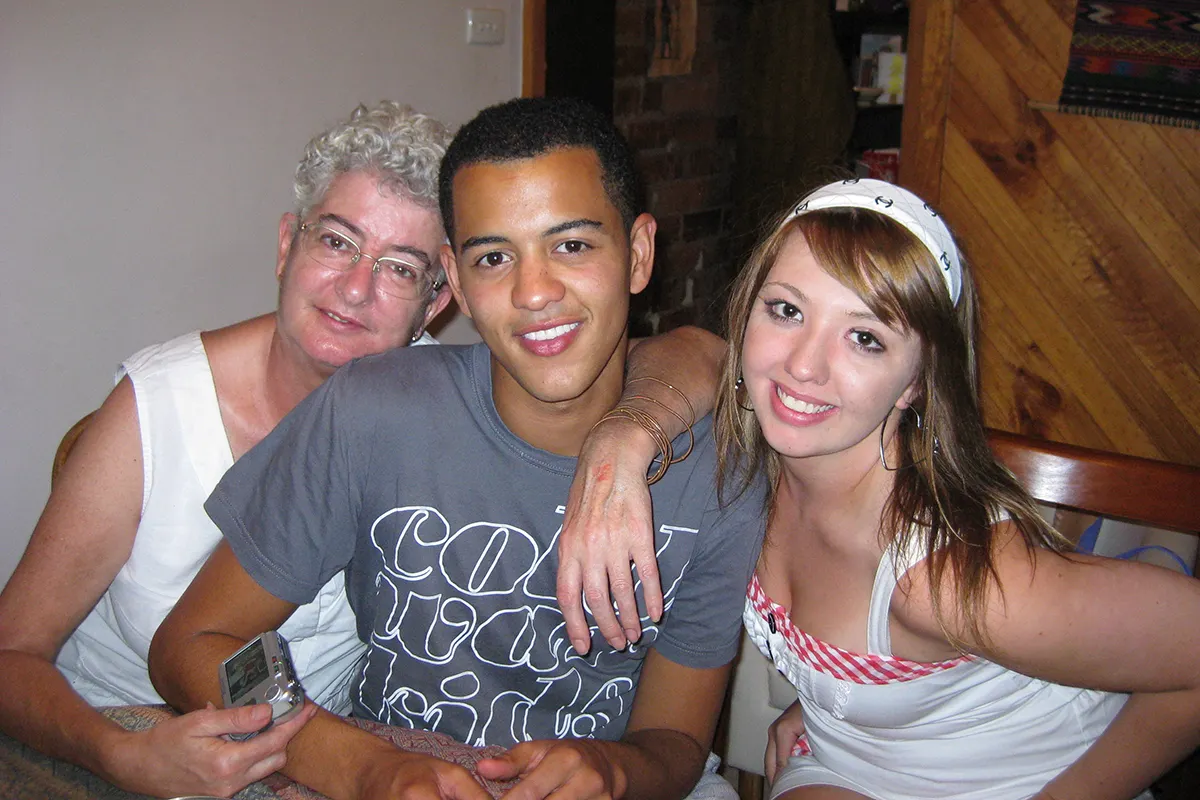
As a gay boy in my twenties, I developed severe anxiety about catching HIV. Having been born negative, mostly through luck, I surmised that this would break my mother’s heart. I practised safe sex religiously, but afterwards my brain would often concoct far-fetched theories about how I could have contracted the virus. This dissonance – between my logical brain and these scientifically implausible concerns that felt like facts – actually made me feel guilty, after all I was well-schooled in HIV and should know better. Some therapy helped to calm and make sense of these feelings, given the pain I’d witnessed the virus reap. A decade on, both PreP and the collective reframing of HIV from a death sentence to a chronic manageable condition have quietened these demons for me.
I used to find books and media that dealt with the HIV/AIDS crisis too much to bear, but lately I’ve begun to feel an open-eyed wonder about this as a defining feature of my life. Having been aware of the precariousness of life from such a young age, these most terrifying experiences have shaped the person I am today. Growing up with awareness that my mother might not always be around, the active construction of community and chosen family has been a constant. I’ve picked up a legion of unshakable friendships and established solid foundations across the world.
When I get to know somebody I really like, I’m not embarrassed to dig my heels in, make the effort, and ensure our friendship sticks. Care is central to how I approach friendships and family – to me, love is rolling up your sleeves and diving in, no matter how heavy the stuff the other person is going through.
Now, 30 years on from that day jumping on mum’s bed, it’s interesting to look back and reflect on our journey. Perhaps my plot-twisting family history has made me a more optimistic person than I would have otherwise been, as subconsciously I’m aware of how different my life could have been if Mum had not survived. And what an everlasting gift it is to have my brilliant mother in this world, to see her turn seventy, and for the virus to become an almost unremarkable niggle in her old age.
Related posts

Farewell, my friend
We were an item in the early eighties before we were even aware that HIV was circulating among us although we’d heard reports about this mysterious virus, initially called GRID (Gay Related Immune Deficiency) coming from the USA. When the HIV test became available in November 1984 we both made a quick dash to the […]

Heterosexual men living with HIV in Australia
The only thing worse than being talked about is not being talked about.
AIDS2026: Is HIV remission the new cure?
AIDS2026 offered a glimpse into the “just around the corner” future of HIV treatment and care.
